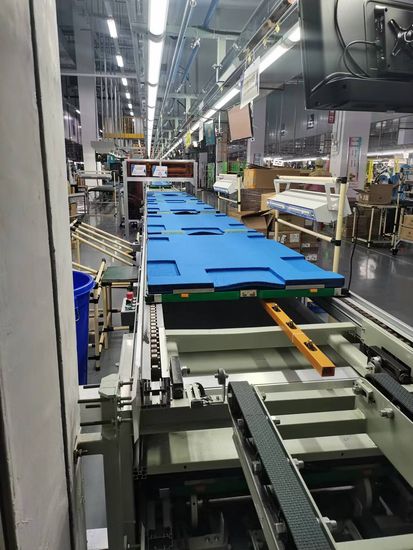
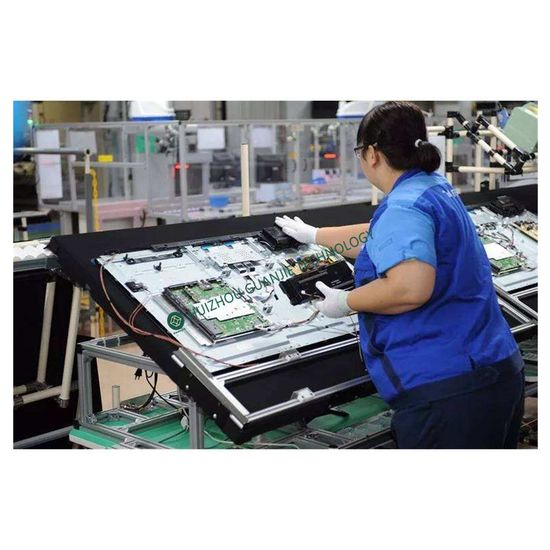
LCD TV Assembly Line LED Production Line

LED/LCD TV Assembly Line with Aging Line

Roller Chain Conveyor Line for Television Assembly Line

I have found results from10000+products and4000+suppliers aboutLcd-tv assembly line price


The price is primarily driven by the automation level, production capacity (UPH - Units Per Hour), and clean room requirements. A standard line includes anti-static belt conveyors, aging lines, automatic screw driving machines, and vacuum suction systems for panel handling. High-end lines featuring robotic arms (COBOTS) for precise panel placement and AI-based optical inspection (AOI) systems will significantly increase the initial investment but reduce long-term labor costs.
LCD assembly, particularly the Open Cell bonding and backlight integration, must occur in a Class 100 to Class 10,000 dust-free environment. The assembly line must be constructed using non-shedding materials like anodized aluminum profiles and equipped with HEPA filtration units (FFU). The cost will scale based on the square footage of the ESD (Electrostatic Discharge) protected area and the complexity of the air filtration system required to prevent pixel defects.
Buyers must ensure the machinery complies with CE marking for the European market or UL/ANSI standards for North America. Specifically, look for ISO 9001:2015 for manufacturing quality management and IEC 60204-1 for electrical safety of machinery. Additionally, verify that the ESD protection measures meet ANSI/ESD S20.20 standards to prevent damage to sensitive LCD drivers and PCBA components.
Yes, professional suppliers design adjustable width conveyors and modular workstations. When sourcing, specify the maximum and minimum screen dimensions. A versatile line should feature programmable logic controllers (PLC), such as those from Siemens or Mitsubishi, which allow for quick changeovers between different models by adjusting the jig fixtures and vacuum gripper positions.
The biggest risks are technical misalignment and damage during transit. To mitigate this, require a Factory Acceptance Test (FAT) via video link or third-party inspection before final payment. Ensure the contract specifies seaworthy packaging, including vacuum-sealed moisture barriers and heavy-duty wooden crates with shock-absorber pallets to protect sensitive PLC units and optical sensors from maritime humidity and vibration.
Negotiate for Remote Technical Support via AR glasses or VPN access to the PLC for troubleshooting. For physical installation, clarify if the price includes engineer on-site commissioning and staff training. It is standard to withhold a 5-10% quality retention fund payable only after the Site Acceptance Test (SAT) is completed at your facility and the line reaches the agreed-upon yield rate.
Use a Letter of Credit (L/C) or a secured trade service like those offered on Made-in-China.com, which provides escrow-like protection. Avoid 100% T/T upfront; a common structure is 30% deposit, 60% after successful FAT inspection, and 10% after installation. This ensures the supplier remains committed to the post-delivery performance of the assembly line.