
Satisfies 1 requirement
Sumitomo Super High Absorbency Always Sanitary Pads Wholesale OEM
US$0.02-0.06
100,000 Pieces(MOQ)

I have found results from90000+products and20000+suppliers aboutWholesale sanitary pad oem


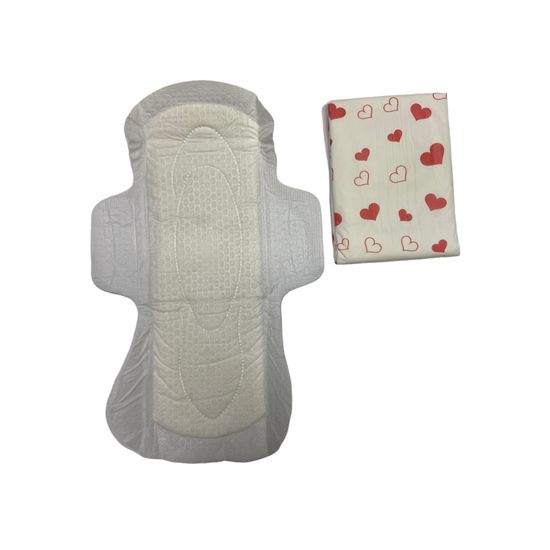


Buyers must focus on the absorbent core composition, typically a mix of SAP (Super Absorbent Polymer) and fluff pulp. For high-end markets, prioritize ultra-thin designs with a thickness of 0.8mm to 2mm. Ensure the top sheet is made of non-woven cotton or perforated film to balance skin-friendliness and dryness. Additionally, verify the back-sheet breathability to prevent skin irritation while maintaining a 100% leak-proof barrier.
To ensure market entry and consumer safety, suppliers must hold ISO 9001 for quality management and ISO 13485 for medical devices (if applicable). For the US market, FDA registration is essential, while the EU market requires CE marking and adherence to REACH chemical safety standards. Furthermore, look for OEKO-TEX Standard 100 or SGS test reports to confirm the absence of harmful fluorescent agents, chlorine, or heavy metals.
Conduct a strike-through time test to measure how quickly the pad absorbs liquid (ideally under 3 seconds). Perform a rewet test to ensure the surface remains dry under pressure; high-quality pads should have a rewet value of less than 0.1g. Also, check the adhesive stability on the back and wings to ensure the pad stays in place without leaving residue on clothing.
OEM services usually offer customization of pad length (ranging from 155mm pantyliners to 410mm overnight pads), scent infusion (like aloe vera or mint), and functional chips (anion, graphene, or herbal). Packaging customization is critical; you can choose between PE bags, aluminum foil bags, or biodegradable cardboard boxes with your own brand artwork.
The primary risk is material substitution, where a supplier uses lower-grade SAP or recycled pulp to reduce costs. To mitigate this, use third-party pre-shipment inspections to verify material consistency. Another risk is moisture damage during transit; ensure the supplier uses moisture-proof master cartons and palletizes the goods to prevent contamination in humid shipping containers.
Sanitary pad production is highly automated, so MOQs are usually high (e.g., 100,000 to 300,000 pieces per SKU) to cover machine setup costs. Negotiate a tiered pricing structure where the unit price drops significantly as volume increases. If you are a startup, try to negotiate a mixed-container load where you meet the total volume requirement by combining different pad sizes (Day/Night/Liner) to lower the per-SKU barrier.
Always use secure payment terms such as Letter of Credit (L/C) for large volumes or Trade Terms provided by Made-in-China.com to ensure your funds are protected until the goods are shipped. Avoid 100% upfront payments; a standard 30% deposit and 70% balance against the Bill of Lading (B/L) is the industry norm for established buyers.
Since sanitary pads are lightweight but high-volume (low density), shipping costs are calculated by volumetric weight. To optimize costs, request vacuum-compressed packaging if possible, or ensure the supplier maximizes container utilization (CBM). For long-term stability, choose FOB (Free On Board) terms to maintain control over your freight forwarder and local customs clearance processes.