
Satisfies 1 requirement
Waterjet Part Valve Body Mini on/off Flow 710866-1 Cutting Head Spare Parts on off Valve Body 60K Mini on/off Valve Body Waterjet Cutting Head Part
US$100.00-170.00
1 Piece(MOQ)

I have found results from100000+products and60000+suppliers aboutWaterjet parts


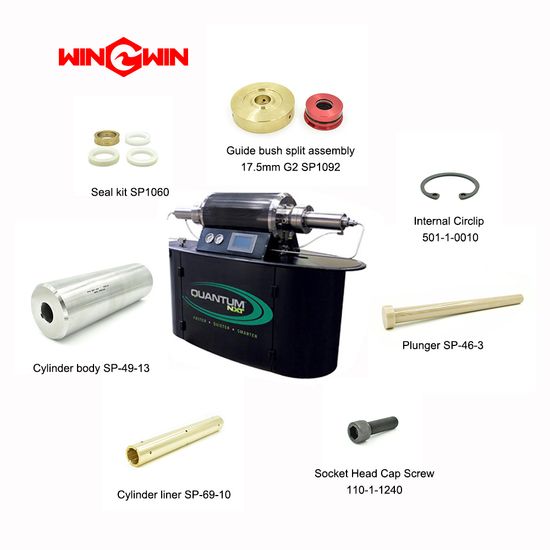


When sourcing waterjet parts, the most critical factor is pressure rating compatibility. Ensure parts are rated for your specific pump intensity, typically 60,000 PSI or 90,000 PSI (HyperPressure). For consumables like orifices, prioritize Ruby, Sapphire, or Diamond materials; while Diamond has a higher upfront cost, it offers 10 to 20 times the lifespan of Ruby. For mixing tubes (nozzles), verify the Tungsten Carbide grade, as higher density directly correlates to better wear resistance and cutting precision.
To guarantee a perfect fit, always cross-reference the OEM Part Numbers with the supplier's catalog. Professional suppliers on Made-in-China.com usually provide detailed technical drawings and tolerance specifications (often within +/- 0.01mm). It is highly recommended to request a small trial batch to test the thread pitch and seal integrity on your specific cutting head assembly before committing to a high-volume purchase.
Look for manufacturers that hold ISO 9001:2015 certification, which ensures a consistent quality management system. For high-pressure components like intensifier studs or cylinders, ask for Material Test Reports (MTRs) to verify the use of high-tensile stainless steel or specialized alloys. Compliance with CE standards is also vital if you are importing into the European market to ensure the components meet safety and environmental requirements.
Waterjet parts are used in aerospace, automotive, and stone fabrication industries. Maintenance cycles vary: high-pressure seals typically require replacement every 500-1,000 hours, while check valves should be inspected every 200 hours. Sourcing from a supplier that offers complete repair kits (including O-rings, lubricants, and backup rings) is more cost-effective than buying individual components, as it reduces machine downtime.
The primary risk in cross-border sourcing is material fatigue leading to premature failure. To mitigate this, use Trade Assurance services on Made-in-China.com to protect your payment. Additionally, insist on Third-Party Inspection (such as SGS or Bureau Veritas) for bulk orders of intensifier parts to verify hardness levels and surface finish before the goods leave the factory.
For consumables like abrasive nozzles, aim for tiered pricing structures; increasing your order from 50 to 200 units can often yield a 15-25% discount. If you are a first-time buyer, negotiate a low MOQ for a 'sample kit' at a slightly higher unit price, with the agreement that the price difference will be credited toward your first full-scale production order.
For small, urgent components like orifices or seals, International Express (DHL/FedEx/UPS) is best, typically taking 3-5 business days. However, for heavy items like high-pressure pumps or large quantities of garnet abrasive, Sea Freight (LCL or FCL) is significantly more economical. Ensure the supplier uses vacuum-sealed packaging and anti-rust oil for steel parts to prevent corrosion during long-duration maritime transit.
Verify the HS Code (typically under Chapter 84 for machinery parts) with your local customs broker to determine the exact import duty rates. Ensure the commercial invoice clearly states the country of origin and a detailed description of the parts to avoid delays. For US-bound shipments, be aware of Section 301 tariffs that may apply to certain Chinese-manufactured industrial components.