
Satisfies 1 requirement
Surge High Corrosion Resistance Grounding Distribution Type Complex Zinc Oxide Lightning Arrester
US$8.00-40.00
1 Piece(MOQ)

I have found results from40000+products and10000+suppliers aboutTypes of lightning arrester


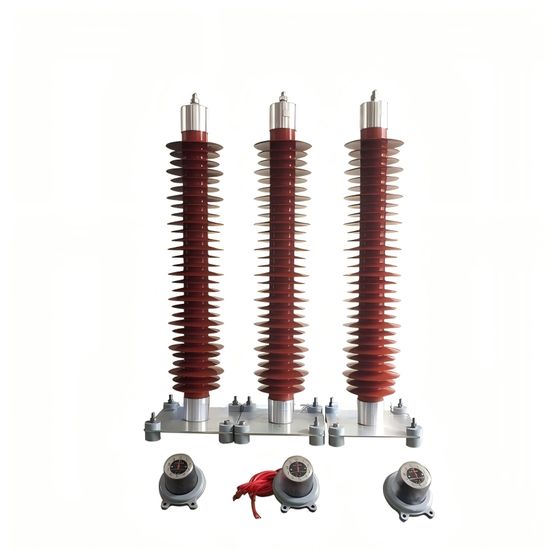


Selecting the correct lightning arrester depends primarily on the system voltage and the environment. For low-voltage residential or commercial systems, Type 1 or Type 2 Surge Protective Devices (SPDs) are standard. For medium to high-voltage power distribution, Polymer-housed Metal Oxide Varistor (MOV) arresters are preferred due to their superior non-linear characteristics and reliability. Always ensure the Maximum Continuous Operating Voltage (MCOV) of the arrester is at least 15-25% higher than the nominal system voltage to prevent premature failure.
Buyers must prioritize three core metrics: Nominal Discharge Current (In), which indicates the arrester's ability to withstand repeated surges; Voltage Protection Level (Up), which must be lower than the insulation withstand voltage of the equipment being protected; and Short-Circuit Current Rating (SCCR). Additionally, verify the housing material—silicone rubber is highly recommended for outdoor use due to its excellent hydrophobicity and resistance to UV degradation compared to traditional porcelain.
To ensure safety and global interoperability, products should strictly adhere to IEC 60099-4 (for metal-oxide surge arresters without gaps for AC systems) or IEEE C62.11. For European markets, CE marking is mandatory, while UL 1449 4th Edition is the benchmark for surge protectors in the North American market. Requesting KEMA or CESI test reports from the supplier is a professional way to validate these claims.
While modern gapless MOV arresters are largely maintenance-free, they should be equipped with a discharge counter and a visual indicator. Regular inspections should focus on leakage current monitoring and checking for physical cracks in the housing. In high-pollution areas, cleaning the insulators is necessary to prevent tracking and flashovers. Most high-quality units have an expected operational lifespan of 20+ years under normal conditions.
Electrical safety products carry high liability risks. Always source from Verified Suppliers on Made-in-China.com who possess ISO 9001 certification. Request a factory audit video or a third-party inspection (such as SGS or Intertek) before the final balance payment. Ensure the serial numbers on the test reports match the physical units delivered to prevent 'bait and switch' tactics.
Focus negotiations on warranty terms and technical support rather than just the unit price. A standard 2-year to 5-year warranty is a sign of manufacturer confidence. For bulk orders, negotiate for spare units (typically 2-3% of the total order) to be included at no extra cost to cover potential transit damage or immediate installation failures.
Lightning arresters, especially porcelain types, are fragile and heavy. Ensure the contract specifies IPPC-certified fumigated wooden crate packaging with internal shock-absorbing foam. For long-distance sea freight, specify the use of desiccant bags inside the packaging to prevent moisture ingress, which can compromise the internal chemical stability of the metal oxide blocks.
Utilize Secured Trading Services provided by platforms like Made-in-China.com to ensure funds are only released after proof of shipment. For high-value contracts, use Letters of Credit (L/C) or a staged payment structure: 30% deposit, 60% after passing pre-shipment inspection, and 10% after arrival and basic functional testing.