
Satisfies 1 requirement
High Quality 304 Stainless Steel Plate for Kitchen Equipment
US$2,285.00
1 Ton(MOQ)

I have found results from200000+products and70000+suppliers aboutStainless steel kitchen plates
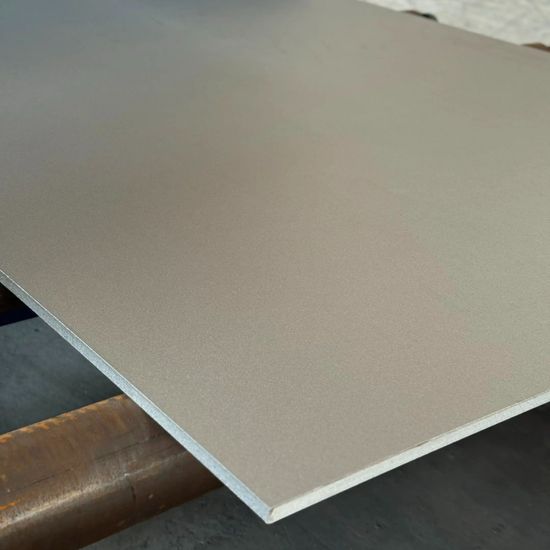


The most critical factor is the steel grade. For food contact, you must prioritize 304 Stainless Steel (18/8) or 316 Stainless Steel for superior corrosion resistance and durability. Avoid '200 series' stainless steel for long-term kitchen use as it is prone to rusting and pitting when exposed to acidic foods or salt.
Ensure the products meet FDA (U.S.) or LFGB (Germany/EU) food-grade contact standards. Suppliers should provide Material Test Reports (MTRs) and RoHS certifications to prove the absence of heavy metals like lead or cadmium. For the European market, compliance with Regulation (EC) No 1935/2004 is mandatory.
For commercial kitchens (hotels/restaurants), a brushed or satin finish is preferred as it hides scratches and fingerprints. For residential or high-end retail, a mirror-polished finish offers a premium aesthetic but requires more maintenance. Ensure the edges are deburred and rolled to prevent injury during handling.
Check the gauge thickness; a thickness of 0.6mm to 1.0mm is standard for quality plates. Thinner plates may warp under high heat. Additionally, verify if the plates are dishwasher safe and impact-resistant through drop-test reports provided by the manufacturer.
The primary risk is material substitution, where a supplier uses a lower grade of steel than sampled. To mitigate this, use third-party inspection services like SGS or Intertek to conduct a PMI (Positive Material Identification) test before the final balance payment is made.
Focus on tiered pricing based on volume and request OEM/ODM customization (such as laser-engraved logos) as part of the package. Always clarify the Incoterms (e.g., FOB or DDP) early in the negotiation to avoid hidden logistics costs. For first-time orders, negotiate a 30% deposit and 70% balance against the Bill of Lading (B/L).
Stainless steel is heavy and can scratch during transit. Insist on individual polybagging for each plate and the use of five-layer corrugated export cartons. For sea freight, ensure the use of desiccants (silica gel) inside the packaging to prevent 'sea sweat' or moisture-induced oxidation during long voyages.
Utilize the Secured Trading Service on Made-in-China.com to protect your payment. Never transfer funds to private bank accounts; always ensure the account name matches the registered company name on the supplier's business license to prevent payment fraud.