
Satisfies 1 requirement
Clamp Mounting Pressure Level Transmitter Level Meter for Sanitary Industry
US$246.00
1 Piece(MOQ)

I have found results from7000+products and3000+suppliers aboutSanitary pressure transmitter


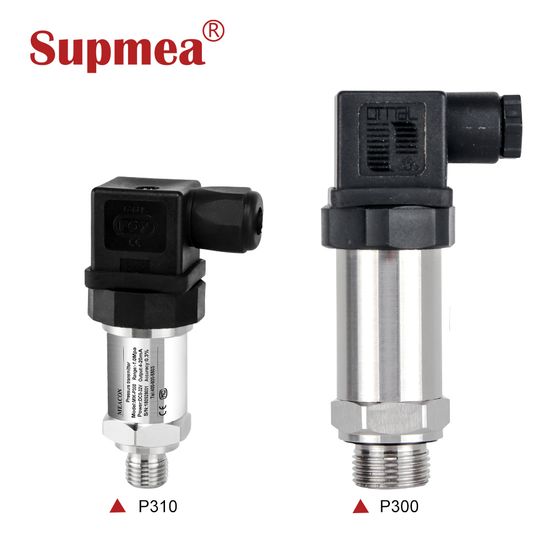


The transmitter must feature a flush diaphragm design to prevent media buildup and bacterial growth. The wetted parts should be made of 316L Stainless Steel or higher-grade alloys to ensure corrosion resistance. Furthermore, the internal filling fluid must be FDA-approved food-grade silicone oil or vegetable oil to prevent contamination in case of diaphragm rupture.
Buyers should prioritize suppliers with 3-A Sanitary Standards or EHEDG certification, which guarantee the equipment is designed for Clean-in-Place (CIP) and Sterilization-in-Place (SIP) processes. For the European market, CE marking and RoHS compliance are essential, while pharmaceutical applications may require USP Class VI material validation.
Verify the output signal type, typically 4-20mA (HART protocol), RS485 (Modbus), or 0-10V. You must also match the process connection type, such as Tri-Clamp (ISO 2852), Varivent, or DIN 11851, and ensure the pressure range and accuracy class (typically ±0.25% or ±0.5% FS) meet your specific process control needs.
The transmitter must withstand CIP/SIP temperatures, often reaching 130°C to 150°C. Look for units with active temperature compensation to prevent thermal drift. The Ingress Protection (IP) rating should be at least IP67 or IP68 to handle high-pressure washdowns common in sanitary facilities.
Request a Material Test Report (MTR) and a Calibration Certificate for every unit before shipment. For large orders, hire a third-party inspection service (like SGS or Intertek) to verify the surface roughness (Ra < 0.4μm) and weld quality at the supplier's factory.
Focus on Total Cost of Ownership (TCO) rather than just the unit price. Negotiate for extended warranties (24 months) and the inclusion of spare gaskets or mounting kits. Use Made-in-China.com's Secured Trading services to ensure payment is only released upon confirmation of technical compliance.
Transmitters contain sensitive diaphragms and electronics; ensure the supplier uses anti-static vacuum packaging and double-walled corrugated boxes with foam inserts. For international air freight, specify 'Fragile' labeling and ensure the sensors are calibrated for the atmospheric pressure conditions of the destination if necessary.
Confirm the correct HS Code (typically 9026.20) to determine import duties. Ensure the supplier provides a Certificate of Origin to take advantage of any Free Trade Agreements (FTAs). Be aware of Export Control regulations if the transmitters feature high-end encryption or specialized military-grade alloys.