
Satisfies 1 requirement
Ailusi Rotary Automatic Perfume Essential Oil Mini Tester Liquid Glass Small Bottle Vial Monoblock Filling Pressing Capping Machine
US$4,000.00-4,500.00
1 Piece(MOQ)

I have found results from80000+products and30000+suppliers aboutRotary oil filling machine


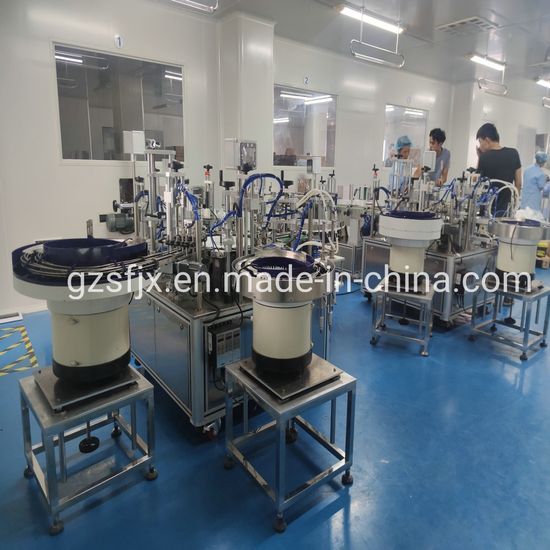


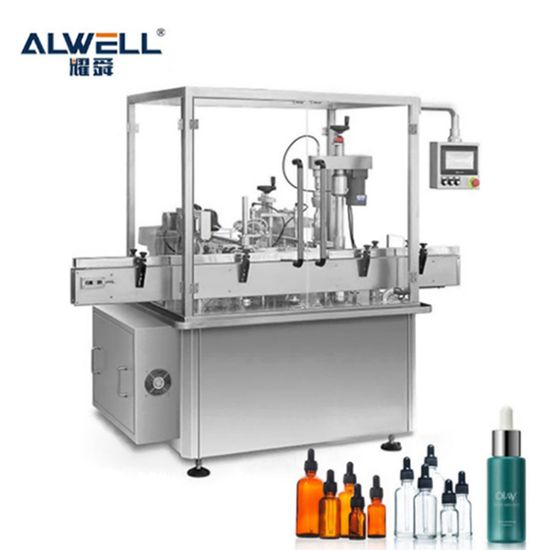


When evaluating a rotary oil filling machine, you must prioritize filling accuracy (typically ±0.5% or better) to minimize product waste. Look for machines equipped with PLC control systems (such as Siemens or Allen-Bradley) and touchscreen HMI for easy operation. The filling nozzles should feature a no-drip design to maintain hygiene, and the material of contact parts must be SUS304 or SUS316L stainless steel to ensure corrosion resistance and food-grade safety.
Capacity is measured in Bottles Per Hour (BPH). You should calculate your required output based on your peak demand and choose a machine with 10-20% higher capacity to allow for future growth. Rotary machines are ideal for high-speed production, often ranging from 2,000 to 15,000 BPH. Ensure the machine supports frequency conversion speed regulation to adjust the pace according to different oil viscosities and bottle sizes.
For global markets, the machine must have CE Certification for European safety standards or UL/CSA for North American markets. Since it handles liquids, IP65-rated electrical enclosures are essential for water and oil resistance. If you are filling edible oils, the equipment must comply with FDA or GMP standards to ensure sanitary processing and easy CIP (Clean-in-Place) integration.
The choice between piston filling, flow meter filling, or gravity filling depends on the oil type. For high-viscosity oils like castor oil or heavy lubricants, piston-driven or servo-motor controlled pumps are necessary to ensure consistent flow. For standard edible oils, mass flow meters offer the highest precision and are easier to clean as they have fewer moving parts in contact with the product.
Prioritize suppliers on Made-in-China.com that hold the 'Audited Supplier' status. Request a factory video audit or hire a third-party inspection firm (like SGS or Intertek) to verify the manufacturer's ISO 9001 certification and production facilities. Check their export history specifically for rotary equipment to ensure they understand the complexities of international shipping and voltage requirements (e.g., 220V/380V/440V).
Use Secured Trading Services provided by platforms like Made-in-China.com to protect your funds. A standard payment structure for large machinery is 30% T/T as a deposit and 70% after successful FAT (Factory Acceptance Test) but before shipment. Never transfer the final balance until you have received video proof of the machine running with your specific bottles and oil samples.
Machinery must be packed in fumigated wooden cases (IPPC standard) with vacuum plastic wrapping and silica gel to prevent sea salt corrosion during transit. Ensure the contract includes essential spare parts for 1-2 years (O-rings, nozzles, sensors). Confirm if the supplier provides remote video installation guidance or if they can dispatch engineers for on-site commissioning, keeping in mind the buyer usually covers travel and visa costs.
Before production begins, send physical samples of your bottles and caps to the manufacturer. Rotary machines use specific star wheels and guides tailored to bottle geometry. Providing samples ensures the capping heads and conveyor heights are perfectly calibrated, preventing costly modifications or downtime upon arrival in your country.