
Satisfies 1 requirement
Raw Pure Natural Cacao Powder Organic Cocoa Powder in Bulk
US$0.68-1.08
500 kg(MOQ)

I have found results from2000+products and800+suppliers aboutPure cocoa powder factory


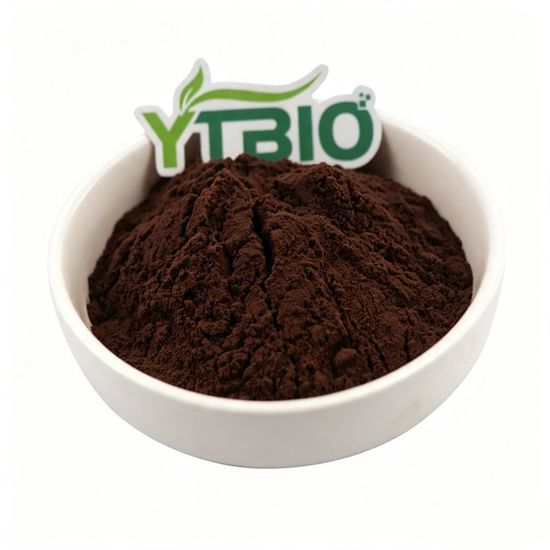


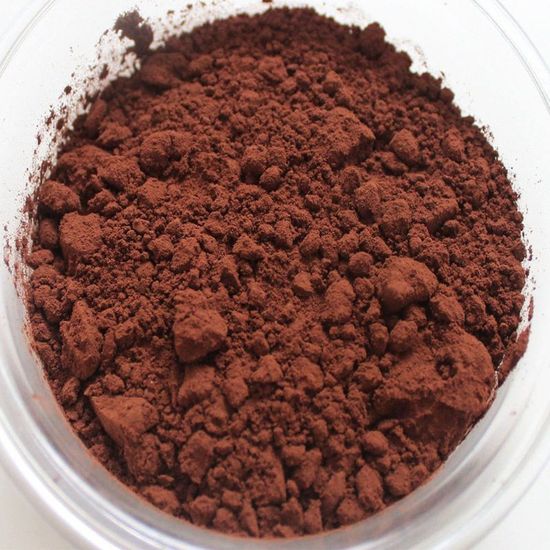


When evaluating pure cocoa powder, you must prioritize fat content, typically categorized as High Fat (20-24%), Medium Fat (10-12%), or Low Fat (<10%), as this directly impacts flavor profile and mouthfeel. Additionally, verify the pH level; Natural Cocoa Powder usually has a pH of 5.3–5.8 (acidic), while Alkalized (Dutched) Cocoa Powder ranges from 6.8–8.1 for a darker color and milder taste. Ensure the fineness meets industry standards, typically 99% passing through a 200-mesh screen to prevent grittiness in finished products.
To ensure food safety and market access, the factory must hold HACCP and ISO 22000 certifications. For specific markets like the US, FDA registration is required, while the EU mandates compliance with EFSA regulations regarding heavy metals (specifically Cadmium levels, which must be below 0.60 mg/kg for cocoa powder). If targeting niche markets, prioritize suppliers with Organic (USDA/EU), Halal, or Kosher certifications to broaden your consumer base.
Request a Certificate of Analysis (COA) for every batch, focusing on microbiological limits (Salmonella must be absent, and Total Plate Count should be <5000 cfu/g). Perform a sensory evaluation using a sample to check for a rich chocolate aroma without burnt or musty off-notes. You should also inquire about the origin of the cocoa beans (e.g., West Africa vs. South America), as terroir significantly influences the theobromine and flavonoid content.
Pure cocoa powder is highly hygroscopic and sensitive to odors. The factory should guarantee a shelf life of 24 months when stored in a cool, dry environment (15-20°C, <60% humidity). Ensure the packaging consists of multi-layer kraft paper bags with an inner PE liner to prevent moisture absorption and oxidation during transit and storage.
The biggest risks are adulteration (mixing with starch or shells) and price volatility in the global cocoa market. Mitigate these by using third-party inspection services (like SGS or Intertek) to conduct pre-shipment sampling. To manage costs, consider long-term contracts or volume-based pricing rather than relying on spot market prices which fluctuate daily.
Focus on Minimum Order Quantity (MOQ) flexibility; many factories on Made-in-China.com offer lower MOQs for trial orders. Negotiate for tiered pricing where the unit cost drops by 5-10% as volume increases. Additionally, request OEM/Private Labeling services early in the discussion if you intend to build your own brand, as this requires specific packaging lead times.
Always opt for FCL (Full Container Load) over LCL (Less than Container Load) to avoid cross-contamination from other goods. Ensure the shipping containers are clean, dry, and free of strong odors. For long-haul maritime transport, use desiccants (silica gel packs) inside the container to prevent 'container rain' caused by temperature fluctuations, which can lead to clumping or mold.
Utilize Secured Payment services provided by reputable platforms like Made-in-China.com to ensure funds are only released upon proof of shipment. Avoid direct wire transfers to personal accounts. Always verify the supplier's Business License and Export License to ensure they are a legitimate manufacturing entity rather than an unlicensed middleman.