
Satisfies 1 requirement
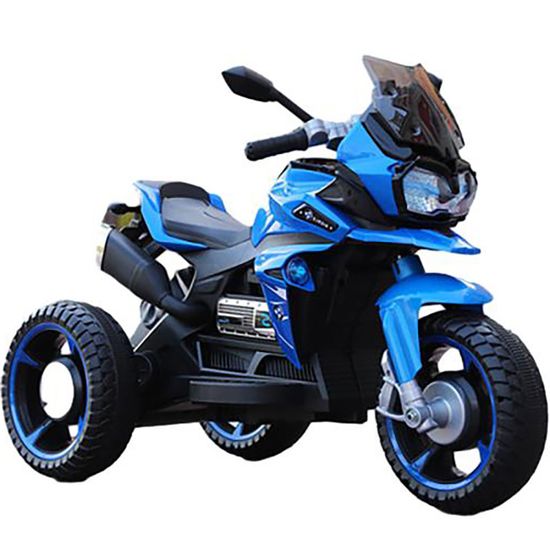
A033 48V Brushless Motor off-Road Huge Spacious UTV 4-Seater Ride on Car Electric Kids Toy
US$594.00
10 Pieces(MOQ)

I have found results from40000+products and10000+suppliers aboutKids ride on car




Selecting the appropriate power system is critical for performance and safety. For toddlers (ages 1-3), a 6V battery is sufficient for flat indoor surfaces. For older children (ages 3-8), a 12V or 24V system is recommended to handle grass or uneven terrain. Ensure the motors are dual-drive (2x35W or higher) to provide balanced power and prevent the vehicle from getting stuck. Always verify the battery cycle life and ensure it comes with overcharge protection.
As a children's product, compliance is non-negotiable. For the US market, products must meet ASTM F963 and CPSIA standards. For the EU, EN71 (Parts 1, 2, and 3) and CE marking are mandatory. Additionally, ensure the battery and charger have UL, ETL, or GS certifications to prevent fire hazards. Always request a Children’s Product Certificate (CPC) from the supplier before finalizing the order.
To minimize liability and ensure user safety, prioritize cars equipped with a 2.4G Parental Remote Control, which allows adults to override manual steering. Look for Soft Start Technology to prevent sudden jolts that could cause neck injuries. Other essential features include adjustable safety belts, lockable doors, and wear-resistant EVA wheels (rather than hard plastic) for better grip and shock absorption.
The body should be constructed from non-toxic, eco-friendly PP (Polypropylene) plastic. Check for reinforced chassis structures if the car is intended for outdoor use. For premium markets, look for automotive-grade paint finishes rather than molded-in colors, as they offer better UV resistance and a more realistic aesthetic. Request a load-bearing test report to confirm the maximum weight capacity (typically 30kg to 50kg).
Ride-on cars contain Lead-Acid or Lithium batteries, which are classified as Dangerous Goods (UN3171). This requires specific MSDS (Material Safety Data Sheet) and UN38.3 test reports for sea or air freight. Failure to provide these can lead to customs seizures or heavy fines. It is highly recommended to use a freight forwarder experienced in Class 9 hazardous materials.
Ride-on cars are bulky and prone to pressure damage. Insist on 5-layer double-corrugated export cartons with internal foam corner protectors. For LCL (Less than Container Load) shipments, request palletization to prevent crushing. Conduct a Drop Test (ISTA 1A or 2A) on the packaging before the goods leave the factory to ensure they can withstand transit shocks.
Focus on spare parts availability; professional suppliers should provide 1-3% free wear-and-tear parts (such as remote controls, chargers, and switches) with bulk orders. Negotiate based on MOQ tiers—often, increasing an order from 50 to 100 units can reduce the unit price by 10-15%. Always use Trade Assurance or secure payment terms to protect your capital until the third-party inspection is passed.
If purchasing branded models (e.g., Mercedes, BMW, Lamborghini), you must ensure the supplier holds a valid Brand Authorization Letter. Selling unlicensed 'look-alike' cars can result in legal action from car manufacturers and the removal of listings from e-commerce platforms. Always verify the authenticity of the license during the sourcing process on Made-in-China.com.