
Satisfies 1 requirement
Construction Machinery Hydraulic System Oil Radiator Wind Cooling Heat Exchanger Hydraulic Oil Coolers
US$15.00
100 Meters(MOQ)

I have found results from70000+products and20000+suppliers aboutHydraulic oil cooler


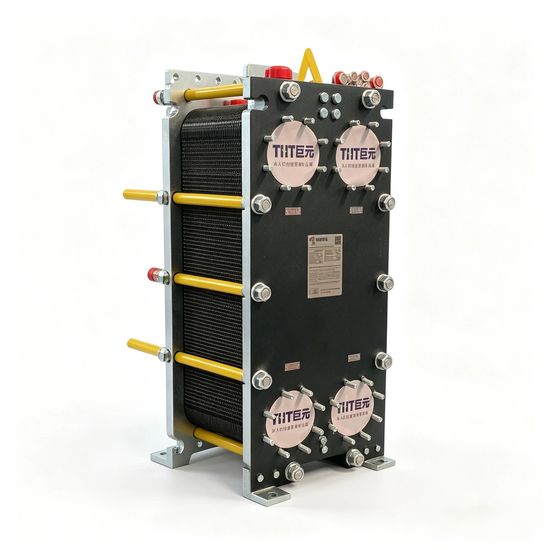


When sourcing hydraulic oil coolers, you must prioritize heat dissipation capacity (kW/°C) and maximum operating pressure. Ensure the unit can handle the system's flow rate (L/min) without causing excessive pressure drops. For materials, aluminum plate-bar heat exchangers are preferred for their high efficiency and lightweight, while copper-tube types are better suited for harsh water-cooled environments. Always verify the IP rating of the cooling fan motor (e.g., IP55 or IP68) to ensure durability against dust and moisture.
For B2B cross-border procurement, verify that the supplier holds ISO 9001:2015 certification for quality management. Depending on the destination market, look for CE marking (Europe) or ASME certification (North America) for pressure vessels. If the cooler is used in hazardous environments, such as mining or oil & gas, ATEX or IECEx explosion-proof certifications are mandatory for the electrical components.
Air-cooled (Fan) units are ideal for mobile machinery like excavators and cranes where water access is limited and ambient temperatures are moderate. Water-cooled (Shell and Tube) units are superior for stationary industrial equipment and high-temperature environments, as they offer higher thermal efficiency and a more compact footprint, provided a cooling water source is available.
Calculate the Total Cost of Ownership (TCO) by factoring in the initial purchase price, shipping costs, and energy consumption of the fan motor. A cheaper unit with a high pressure drop will increase the hydraulic system's energy consumption. Prioritize suppliers on Made-in-China.com who offer extended warranties (18-24 months) and provide spare parts kits (seals, gaskets, and mounting brackets) to reduce future maintenance downtime.
The primary risks include internal leakage and shipping damage. To mitigate these, require the supplier to provide a pressure test report (typically 1.5 to 2 times the working pressure) for every unit. Ensure the packaging uses fumigated wooden crates with internal shock-absorbing foam to prevent fin deformation during sea freight.
Focus on technical customization rather than just price. Ask for OEM/ODM capabilities if you need specific port sizes (BSP, NPT, or SAE). For bulk orders, negotiate a staged payment plan (e.g., 30% deposit, 70% after third-party inspection but before shipment) and request a volume-based discount of 10-15% for annual contracts.
Utilize the Secured Trading services provided by Made-in-China.com to protect your payments. Always check the supplier's Audit Report and 'Diamond Member' status. Request a video factory audit or hire a third-party inspector (like SGS or Intertek) to verify the fin-forming machines and vacuum brazing furnaces are on-site.
For hydraulic oil coolers, FOB (Free On Board) is often the most cost-effective Incoterm, allowing you to control the freight forwarder and insurance. If shipping to the US or EU, ensure the HS Code (typically 8419.50) is correctly declared to avoid customs delays and ensure compliance with anti-dumping regulations if applicable.