
Satisfies 1 requirement
Sludge Dewatering Geotextile Tube for Mining Tailings and Dam Desilting
US$10.00-600.00
1,000 Square Meters(MOQ)

I have found results from10000+products and2000+suppliers aboutGeotextile tube


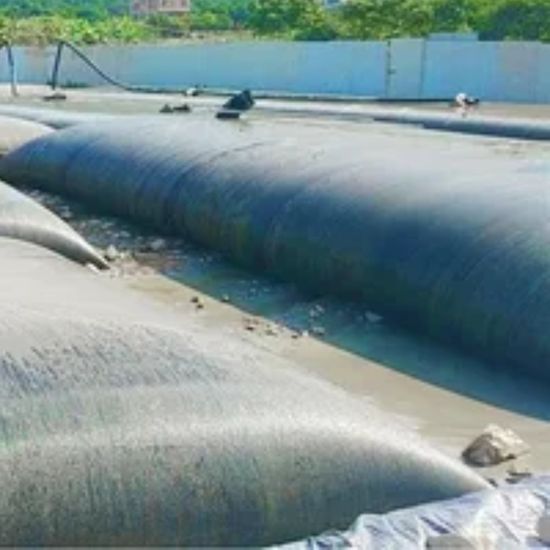


When sourcing Geotextile Tubes, the most critical factor is the Apparent Opening Size (AOS), which must be matched to the particle size of the fill material to ensure effective filtration without clogging. You should prioritize High-Tenacity Polypropylene (HTPP) or Polyester (PET) woven fabrics, as these provide the necessary tensile strength (often exceeding 100 kN/m) to withstand high pumping pressures. Additionally, ensure the material has a high UV resistance rating (typically >80% strength retention after 500 hours), especially for long-term shoreline applications where exposure to sunlight is constant.
Buyers must demand ISO 9001 certification for manufacturing consistency and CE marking for European projects. It is essential to request ASTM D4491 (Permittivity) and ASTM D4751 (AOS) test reports from third-party laboratories. For environmental projects, ensure the fabric is chemically inert and does not leach toxins into the water. Always verify the seam strength, as the seam is the most common point of failure; it should ideally reach 80-90% of the parent fabric's strength.
The cost-efficiency is determined by the pumping height and tube diameter. Larger tubes (e.g., 30m circumference) offer a better volume-to-surface-area ratio, reducing the cost per cubic meter of contained material. However, you must balance this with the bearing capacity of the foundation soil. For dewatering, consider the dewatering rate; a higher flow rate reduces project timelines and labor costs. Sourcing from Made-in-China.com allows you to compare factory-direct pricing, which can be 20-40% lower than local distributors for bulk infrastructure orders.
The biggest risk is material substitution, where a supplier uses lower-grade recycled plastic instead of virgin polymers, leading to premature tube bursting. To mitigate this, use Trade Assurance services on Made-in-China.com and mandate a Pre-Shipment Inspection (PSI) by agencies like SGS or Intertek. Another risk is logistical damage; ensure the tubes are wrapped in heavy-duty UV-protective film during transit to prevent mechanical abrasion or degradation before they reach the job site.
Geotextile Tubes are rarely 'off-the-shelf' products. Negotiate based on custom lengths and filling port placements to match your specific site layout. For large-scale projects, request a staggered delivery schedule to align with your construction phases, which helps manage on-site storage. When discussing price, leverage volume-based discounts—orders exceeding 5,000 square meters of fabric typically qualify for a 10-15% price reduction.
Geotextile Tubes are bulky and heavy; therefore, Ocean Freight (FCL - Full Container Load) is the only economically viable method. Ensure the supplier provides an accurate HS Code (typically 5911.90 or 6305.33) to avoid customs delays or incorrect duty applications. For shipping to regions with strict environmental laws, ensure the Wood Packaging Material (WPM) like pallets are ISPM 15 certified (heat-treated) to prevent quarantine issues at the destination port.