
Satisfies 1 requirement
F8 F9 Gas Turbine Intake Filter P191280 P191281 The Round Cone Air Filter of The Power Plant
US$28.00-38.00
20 Pieces(MOQ)

I have found results from2000+products and1000+suppliers aboutGas turbine intake filter


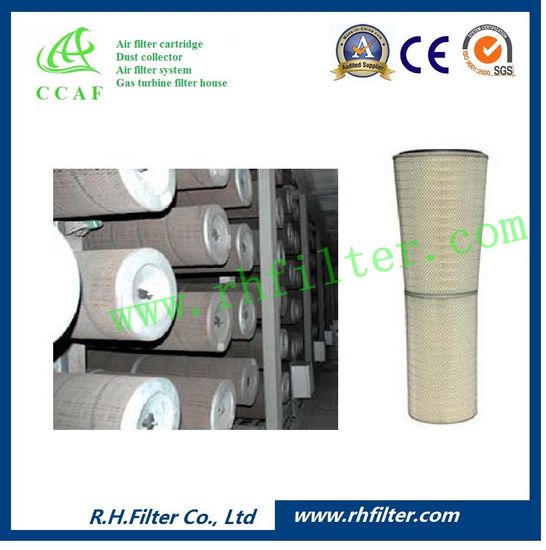


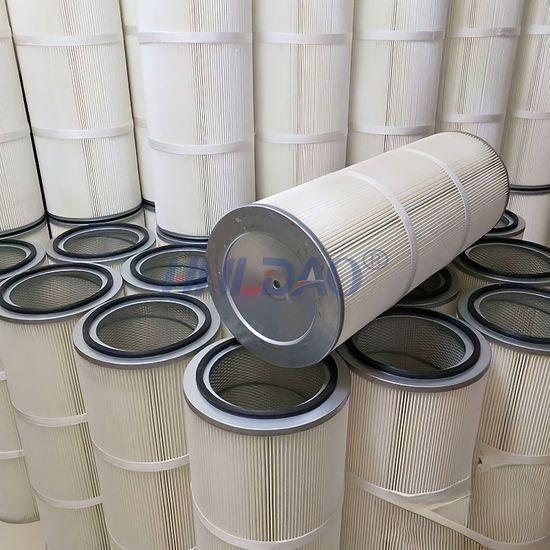


When sourcing filters, you must prioritize Filtration Efficiency (MERV rating or EN 1822 H13/H14) to protect the turbine from fine particulates. Key metrics include Initial Pressure Drop, which affects fuel efficiency, and Dust Holding Capacity (DHC), which determines the filter's lifespan. Ensure the filter media is hydrophobic or moisture-resistant if the turbine operates in coastal or humid environments to prevent 'salt-creep' and pressure spikes.
Verify that the supplier adheres to ISO 16890, which is the global standard for testing and classifying air filters, replacing the older EN 779. For high-precision environments, check for HEPA (High-Efficiency Particulate Air) certifications. It is critical to request Third-Party Test Reports from labs like VTT or LMS to validate that the performance claims match actual output.
The filter media should ideally be made of Synthetic Microglass or Nanofiber layers to achieve high efficiency with low resistance. The frame must be corrosion-resistant, using materials like galvanized steel, stainless steel, or high-impact ABS plastic to withstand high-velocity airflow and environmental stressors without deforming.
These filters are used in Power Plants, Oil & Gas Refineries, and Industrial Co-generation units. Maintenance cycles depend on the environment; however, a Pulse-Jet Self-Cleaning System is recommended for desert or high-dust areas. For static systems, filters should be replaced when the Final Pressure Drop reaches the manufacturer's limit (typically 600-1000 Pa) to avoid catastrophic implosion.
The biggest risk is Physical Damage during transit, as even a small tear in the filter media renders the unit useless. Ensure the supplier uses Reinforced Double-Wall Corrugated Packaging and individual polybags. Another risk is Technical Non-compliance; always use Made-in-China.com's 'Verified Supplier' service to ensure the factory has the actual manufacturing capacity and testing equipment.
Focus on the Total Cost of Ownership (TCO) rather than just the unit price. Negotiate for Volume-Based Rebates and ask for a Performance Guarantee (e.g., a minimum service life of 8,000 operating hours). For long-term projects, request Price Locking Agreements to protect against fluctuations in raw material costs like specialized filter paper.
Since filters are lightweight but high-volume, shipping costs are often calculated by Volumetric Weight. To optimize costs, request Palletized Loading to prevent crushing and facilitate fast unloading. For urgent maintenance shutdowns, consider Sea-Air combined transport to balance cost and speed. Ensure the Incoterms are clearly defined (FOB or CIF) to manage risk transfer points.
Utilize Secured Payment Terms and consider hiring a Third-Party Inspection Agency (like SGS or Intertek) to perform a pre-shipment inspection. They should conduct a Bubble Point Test or a Smoke Leak Test on a random sample from the batch to ensure there are no bypass leaks in the seals or media.