
Satisfies 1 requirement
Aluminum Punching Plates Galvanized Stainless Steel Perforated Metal Sheet Mesh for Filtering/Acoustic Wall/Ceiling/Facade Cladding/Speaker Grill Mesh
US$8.00
100 Pieces(MOQ)

I have found results from70000+products and30000+suppliers aboutFiltering mesh


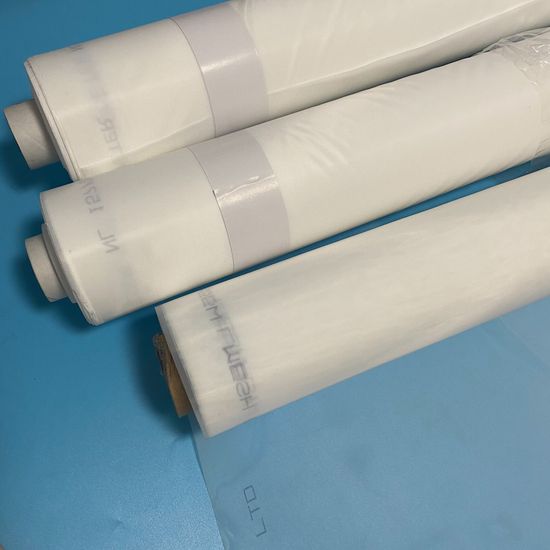


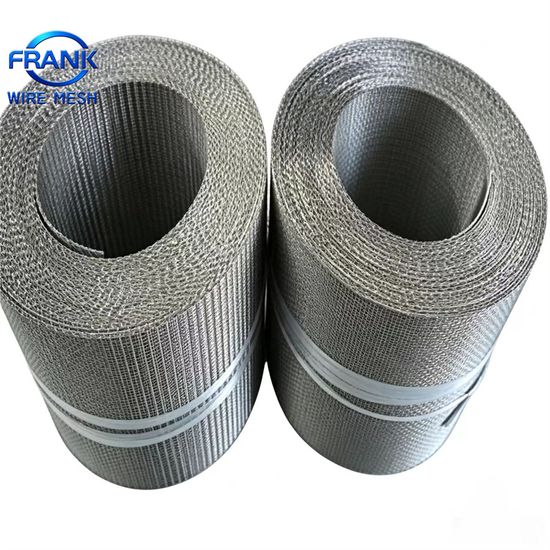


Selecting the correct material is the foundation of filtration efficiency. For food and beverage or pharmaceutical industries, Stainless Steel 304 or 316L is mandatory due to its corrosion resistance and hygienic properties. For chemical processing involving high acidity, Monel or Hastelloy may be required. If you are looking for cost-effective solutions in low-temperature, non-corrosive environments, Nylon (PA6/PA66) or Polyester (PET) meshes offer excellent tensile strength and flexibility.
Buyers must define the Mesh Count (number of wires per inch) and Micron Rating (pore size). A higher mesh count indicates finer filtration. Additionally, verify the Wire Diameter and Opening Area percentage; a larger opening area increases flow rate but may reduce the structural integrity of the mesh. For high-pressure systems, ensure the mesh is plain weave or twill weave to prevent wire displacement under stress.
To ensure safety and quality, products should adhere to ISO 9001 for manufacturing consistency. For US-bound food-grade applications, FDA compliance is essential, while European markets require LFGB or REACH certification. If the mesh is used in automotive or aerospace sectors, look for IATF 16949 or specific ASTM standards to guarantee material traceability and performance reliability.
Perform a surface inspection to check for broken wires, weaving defects, or oil stains. Use a micrometer to verify wire diameter consistency and a spectrometer (PMI test) to confirm the chemical composition of the alloy. For synthetic meshes, a heat shrinkage test is recommended to ensure dimensional stability during high-temperature sterilization or processing.
The primary risk is material substitution, where a supplier provides 201 stainless steel instead of 316. To mitigate this, always request a Material Test Report (MTR) and use third-party inspection services like SGS or Intertek before shipment. Another risk is deformation during transit; ensure the supplier uses hardboard tube cores and waterproof vacuum packaging to prevent the mesh from crushing or rusting during sea freight.
Focus on Tiered Pricing; for filtering mesh, the price per square meter drops significantly as volume increases. Negotiate for a sample fee rebate where the cost of the sample is deducted from your first bulk order. Furthermore, clarify the Lead Time for customized weaving patterns, as specialized meshes can take 20-30 days to produce compared to stock items.
Utilize Secured Trading Services on Made-in-China.com to ensure payment is only released upon confirmation of shipping documents. For shipping, FOB (Free On Board) is generally preferred for bulk rolls to maintain control over freight costs. If purchasing high-value fine silver or copper mesh, consider Air Freight to minimize the time the product is exposed to humid maritime environments, which can cause oxidation.