

Cargo loader
I have found results from100000+products and60000+suppliers aboutCargo loader
Commonly Used:
US$
—
Customization Available
Sample Available
Manufacturer First
Product Attributes:
Type: Medium-sized Loader
Type: Self-propelled
Type: Small Loader
Type: Wheel Loader
Type: Cantilever Lift
Type: Oversize Loader
Cantilever Stacker & Reclaimer
Type: Large Loader
Material: Rubber
Material Feature: Heat Resistant
Certification: ISO9001:2008
Energy Saving: Energy Saving
Warranty: 2 Years
Color: Multi Color
Customized: Customized
Condition: New
Rated Load: 3-6t
Hydraulic - Mechanical
Load and Unload Mode: Front Discharge
Walking Mode: Wheeled
Operation Form: Ground Operation
Transmission Type: Automatic
Use: Burnishing
Cold Water Cleaning
Bucket Width: 108 inches
Engine Power: 100 hp
Load Capacity: 5 tons
Operating Hours: 1001-1500 hours
Single Lifting Weight: 1000kg
Usage: Cargo
Body Type: Open
Battery: Lead-Acid Battery
Max Load Capactiy: >200kg
Folded: Unfolded
Quantity: 4
Height Adjustable: Adjustable
Frame Material: Steel
Tire Size: 12inch
Voltage: 72V
Application: Railway
Material: Steel
Certification: ISO9001:2000
Certification: CE
Certification: ISO
Certification: ISO9000
Certification: CCC
Certification: TS16949
Certification: EPA
Certification: EEC
Certification: RoHS
Certification: TUV
Certification: ISO 9001:2000
Certification: ISO 9001:2008
Warranty: 1 Year
Condition: Used
Rated Load: <1t
Rated Load: 1-3t
Rated Load: 6-9t
Transmission: Hydraulic
Transmission: Power
Load and Unload Mode: Rear Dump
Bucket Width: 60 inches
Engine Power: 150 hp
Operating Hours: 1501-2000 hours
Application: Mine
Application: Farmland
Application: Highway

Satisfies 1 requirement
Durable Used Sdlg 956L Wheel Loader LG956L LG956 17000kg Operating Weight Strong Lifting Capacity Suitable for Port Cargo & Farmland Renovation Projects
US$13,000.00-16,000.00
1 Piece(MOQ)

Satisfies 1 requirement
800tph Ship Loader with Material Feeder for Bulk Cargo/Loading Facility
US$200,000.00-350,000.00
1 Set(MOQ)

Satisfies 1 requirement
Landward Earth Moving Machine Wheel Loader Heavy Load Operation in Open Pit Mines Efficient Loading Unloading of Bulk Cargo in Logistics Centers Large Loader
US$6,200.00-88,800.00
1 Piece(MOQ)

Satisfies 1 requirement
High Payload 3-Wheel Electric Cargo Loader Trike Tricycle Motorbike St3bj0150K
US$450.00-491.00
10 set(MOQ)

Satisfies 1 requirement
Durable Mini Wheel Loader for Warehouse Bulk Cargo Shifting
US$6,100.00-6,600.00
1 Piece(MOQ)

Satisfies 1 requirement
Industrial Wheel Loader Electric Loader for Port and Terminal Cargo
US$3,900.00-5,800.00
1 Piece(MOQ)

Satisfies 1 requirement
Lehman Zl932 2t Farm Wheel Loader for Grain Warehouse Cargo Arrangement
US$8,169.00
1 unit(MOQ)

Satisfies 1 requirement
Competitive Price Front End Loader for Warehouse Cargo Loading
US$13,880.00-26,800.00
1 Unit(MOQ)

Satisfies 1 requirement
Gbmship Loader for Handling Bulk Cargo at Port
US$350,000.00-450,000.00
1 Piece(MOQ)

Satisfies 1 requirement
Ultimate Heavy-Duty Cargo Loader for Streamlined Transport Solutions
US$1,100.00
1 Set(MOQ)

Satisfies 1 requirement
Used High Efficiency Loading Wheel Loader 5ton 5.5ton Bulk Material Handling Loader Standard Working Cycle Loader Lw500fn for Mass Cargo Operation
US$22,000.00
1 Piece(MOQ)

Satisfies 1 requirement
E15 Electric Mini Wheel Loader 15.8kwh 206ah Battery Powered, Dimension 3520X1080X2070mm for Warehouse and Outdoor Yard Cargo Transfer
US$5,994.00-6,993.00
1 Piece(MOQ)

Satisfies 1 requirement
Popular CE EPA Euro 5 Wheel Loader Hydraulic Lifting Wheel Loader Rough Terrain Moving Materials Cargo Operation 4X4 Wd Loader
US$3,999.00-5,999.00
1 Piece(MOQ)

Satisfies 1 requirement
Chinese-Made Multi-Functional 5-Ton 4X4 Small Slg655g Loader, Heavy Cargo Loader Factory, Loader Manufacturer, Chinese Loader Factory
US$35,714.28
1 Piece(MOQ)

Satisfies 1 requirement
Electric Cargo Loader with Three Wheel Tricycle
US$2,500.00-2,520.00
10 Unit(MOQ)

Satisfies 1 requirement
Heavy-Duty Wheel Loader for Efficient Bulk Cargo Transport
US$3,999.00-4,999.00
1 Piece(MOQ)

Satisfies 1 requirement
Fast Charge Electric Wheel Loader Telescopic Forklift Loader Clean Power Food Factory Indoor Cargo Handling Tasks
US$7,000.00-10,000.00
1 set(MOQ)

Satisfies 1 requirement
Second Hand Original Liugong 856h Wheel Loader for Stone Quarry Cement Plant Stockyard Bulk Cargo Handling Smooth Power Shift Transmission Stable Climbing Abili
US$20,000.00-23,000.00
1 Piece(MOQ)

Satisfies 1 requirement
Port Wheel Loader for Container and Bulk Cargo Handling
US$15,000.00-30,000.00
1 Piece(MOQ)

Satisfies 1 requirement
Diesel Electric Gse Airport Cargo Baggage Handling Self-Propelled Conveyor Mobile Belt Loader
US$20,000.00-50,000.00
1 Set(MOQ)

Satisfies 1 requirement
Multifunctional Mini Wheel Loader Equipped with Pallet Fork Attachment for Farm Cargo Transport
US$6,000.00-6,800.00
1 Set(MOQ)

Satisfies 1 requirement
Durable Backhoe Loader for Heavy-Duty Port Cargo Handling Tasks
US$21,800.00-28,000.00
1 Set(MOQ)

Satisfies 1 requirement
High Lift Capacity Skid Steer Loader for Industrial Pallet and Cargo Handling
US$3,456.00-3,510.53
1 Piece(MOQ)

Satisfies 1 requirement
Hzth5007 Wheel Telescopic Loader for Agricultural Cargo Moving
US$30,000.00-1,000,000.00
1 Units(MOQ)

Satisfies 1 requirement
Compact Cargo Loader for Easy Transport and Storage Solutions
US$350.00-370.00
1 Piece(MOQ)

Satisfies 1 requirement
Mobile Ship Loader for Port Bulk Cargo Loading Operation
US$215,000.00-594,000.00
1 Set(MOQ)

Satisfies 1 requirement
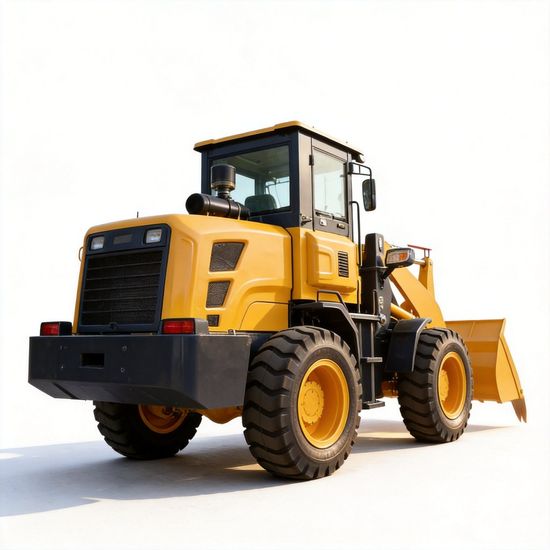
LG856t-E 5.5ton Lonking Cargo Terminal Wheel Electric Large Loader with 350kwh Battery Capacity
US$70,000.00-73,000.00
1 Piece(MOQ)

Satisfies 1 requirement
Reliable Clg385b Skid-Steer Loader 0.45m³ Bucket for Port Cargo Moving with Warranty
US$13,000.00-18,500.00
1 Piece(MOQ)
Sourcing guidance for Cargo Loader
What are the key technical specifications to consider when selecting a cargo loader?
When procuring cargo loaders, the most critical factor is the Rated Load Capacity, which must align with your heaviest operational requirements (typically ranging from 1,000kg to over 10,000kg). You must also evaluate the Maximum Lifting Height and Reach to ensure compatibility with your specific transport vehicles or racking systems. For motorized units, prioritize Engine/Motor Power and Transmission Reliability; for electric models, verify Battery Cycle Life (Lithium-ion preferred) and Charging Efficiency. Additionally, ensure the Hydraulic System utilizes high-pressure resistant hoses and precision valves to prevent fluid leaks and ensure smooth lifting operations.
Which international compliance standards and safety certifications are mandatory for cargo loaders?
To ensure operational safety and legal entry into global markets, cargo loaders must adhere to strict standards. For the European market, a CE Marking is mandatory, specifically compliance with the Machinery Directive 2006/42/EC. For North America, look for ANSI/ITSDF B56.1 standards. It is essential to verify that the supplier provides ROPS (Roll-Over Protective Structure) and FOPS (Falling Object Protective Structure) certifications for operator cabins. Furthermore, ensure the equipment meets ISO 3691-1:2011 for industrial truck safety requirements.
How can I evaluate the durability and maintenance requirements of a cargo loader?
Durability is determined by the Structural Steel Grade used in the chassis and mast; look for Q345B or higher-strength alloy steel. Inquire about the Anti-corrosion Treatment, such as powder coating or galvanization, especially if the loader will operate in humid or coastal environments. Maintenance-wise, prioritize designs with Centralized Lubrication Points and easy access to the engine or battery compartment. A high-quality loader should have a Mean Time Between Failures (MTBF) of at least 2,000 hours under standard operating conditions.
Cross-Border Procurement Strategy for Heavy Machinery
What are the primary risks in cross-border purchasing of cargo loaders and how can they be mitigated?
The primary risks include Technical Mismatch and Shipping Damage. To mitigate these, always request a Pre-Shipment Inspection (PSI) conducted by third-party agencies like SGS or Intertek to verify that the machine's performance matches the technical data sheet. Ensure the contract includes a Strict Packaging Clause, requiring the use of Heavy-duty Steel Skids and Waterproof Shrink-wrap for sea freight. For transaction security, utilize Secure Payment Terms such as Letter of Credit (L/C) or trade assurance services provided by reputable platforms like Made-in-China.com to protect your capital until the Bill of Lading is issued.
How should I negotiate with suppliers to ensure long-term value and after-sales support?
Negotiations should extend beyond the unit price. Focus on the Total Cost of Ownership (TCO) by negotiating for a Wear-and-Tear Spare Parts Package (e.g., filters, seals, and fuses) to be included in the initial shipment. Demand a Warranty Period of at least 12 to 24 months on core components like the engine, motor, and transmission. Additionally, confirm the supplier's ability to provide Technical Support via Video Link and their commitment to shipping replacement parts via International Express within 48-72 hours to minimize operational downtime.
What logistics and customs considerations are unique to shipping cargo loaders?
Cargo loaders are often Oversized or Overweight (OOG), which may require Flat Rack Containers or Roll-on/Roll-off (RoRo) Shipping instead of standard containers. You must clarify the Incoterms clearly; CIF (Cost, Insurance, and Freight) is common, but FOB (Free On Board) gives you more control over the shipping line and costs. Ensure the supplier provides a Certificate of Origin to take advantage of potential Free Trade Agreements (FTA) which can significantly reduce import duties in your country. Always verify the HS Code (typically 8427 or 8428 series) with your local customs broker before the shipment departs.