
Satisfies 1 requirement
Custom Logo Printed Portable Disposables Pen Paper Boxes Happbar Ck40000 50K 100K Carton Cardboard Box Packaging
US$0.50-0.82
1,000 Pieces(MOQ)

I have found results from300000+products and80000+suppliers aboutCardboard box packaging


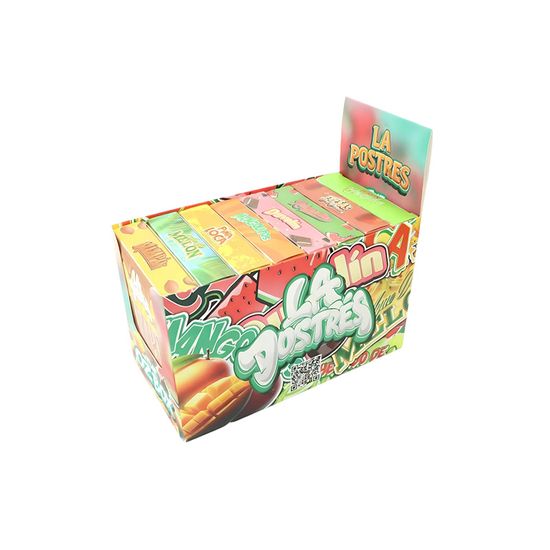


Selecting the correct material is critical for structural integrity. For standard shipping, Double-Wall Corrugated (5-layer) is recommended for heavy items, while Single-Wall (3-layer) suffices for lightweight goods. Ensure the paper weight is specified in GSM (Grams per Square Meter); a common high-quality combination is 175/140/175 GSM. Additionally, check the ECT (Edge Crush Test) or Bursting Strength (Mullen Test) ratings to ensure the boxes can withstand stacking pressure during cross-border transit.
For high-volume B2B orders, Flexographic printing is the most cost-effective for simple logos. If high-resolution graphics are required, Offset printing with lamination provides a premium look. To enhance brand value, consider Spot UV, Foil Stamping, or Matte/Gloss lamination, which also adds a layer of moisture resistance. Always request a digital proof or a physical pre-production sample to verify color accuracy (Pantone matching) before mass production.
Global markets increasingly demand eco-friendly packaging. Prioritize suppliers with FSC (Forest Stewardship Council) certification, which guarantees wood fibers are sourced responsibly. For entry into the EU, ensure compliance with the Packaging and Packaging Waste Directive (94/62/EC) and REACH for non-toxic inks. For US-bound goods, verify that the boxes meet USPS/UPS/FedEx bursting strength standards to avoid insurance claim rejections during shipping.
Consider the FEFCO code (International Fibreboard Case Code) to standardize designs. FEFCO 0201 is the standard shipping box, while FEFCO 0427 (Mailbox style) is popular for e-commerce. If you aim to reduce labor costs, look for Auto-lock bottom designs or Integrated Adhesive Strips. Ensure the creasing lines are clean and precise to prevent cracking during folding, which can compromise the box's strength.
Cardboard is highly sensitive to humidity. Insist that the supplier uses heavy-duty plastic pallet wrapping (stretch film) and corner protectors for all shipments. Request the use of desiccants (silica gel) inside the container to prevent 'container rain' from softening the cardboard. On Made-in-China.com, you can specifically look for suppliers who offer customized export packaging to ensure the master cartons arrive intact.
Packaging is a volume-driven industry. To secure the best rates, aim for Full Container Load (FCL) orders to minimize shipping costs per unit. Negotiate based on raw material price indexes (like the Kraft liner board index); professional suppliers are often willing to offer formula-based pricing for long-term contracts. Always ask for a breakdown of plate-making and tooling (die-cut) fees, which should be a one-time cost for repeat orders.
Utilize the Secured Trading services on Made-in-China.com to protect your payments until the goods pass inspection. For quality assurance, hire a third-party inspection agency (like SGS or Intertek) to perform a 'Random Sampling' test focusing on dimension accuracy, moisture content (should be <12%), and glue integrity. Never release the final 70% payment until the Bill of Lading (B/L) is confirmed and the inspection report is approved.
Cardboard boxes are bulky. To optimize shipping costs, always purchase flat-packed (unassembled) boxes. Be aware that air freight carriers charge based on Dimensional Weight (Length x Width x Height / 5000). For cross-border logistics, Sea Freight (LCL or FCL) is almost always the most economically feasible method for packaging materials due to their high volume-to-weight ratio.