
Satisfies 1 requirement
Customized Luxury Chocolate Bar Truffles Packaging Box Candy Sweets Gift Chocolate Box
US$0.30-1.00
300 Pieces(MOQ)

I have found results from10000+products and4000+suppliers aboutCandy sweets packaging box


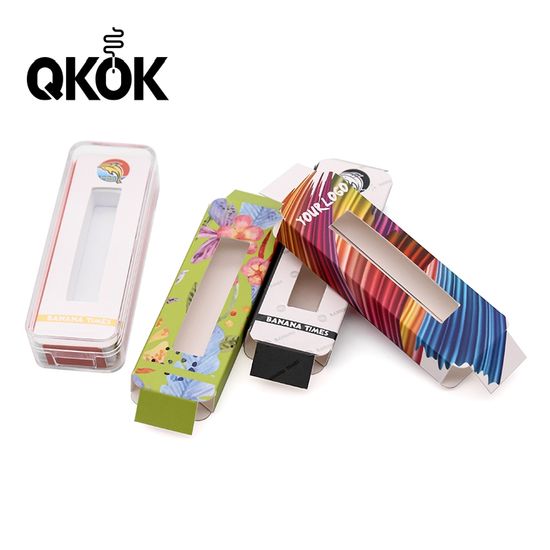


Selecting the appropriate material is critical for both food safety and brand image. For premium candy, Food-Grade Ivory Board (FBB) or Art Paper is recommended for its excellent printing surface. If sustainability is a priority, Kraft Paper offers a natural look and is biodegradable. Ensure the material is FDA or EU food-contact compliant to prevent chemical migration into the sweets. For luxury chocolates or heavy candies, use Rigid Greyboard (1200gsm+) to provide structural integrity and a high-end feel.
Functionality impacts the consumer experience and product shelf life. Consider Grease-proof coatings or PE lamination if the candies have high oil or sugar content to prevent staining. For visibility, incorporate a PET Clear Window, allowing customers to see the product. If the candy is meant for multiple servings, choose a Reclosable structure like a tin-tie or a magnetic flap. Additionally, Custom Inserts (Blisters or Paper Dividers) are essential to prevent candies from colliding and breaking during transit.
To stand out in a competitive retail environment, utilize advanced finishing. CMYK Offset Printing ensures vibrant colors, while Spot UV can highlight logos or specific patterns. Gold or Silver Foil Stamping adds a premium touch suitable for gift-giving. For a tactile experience, consider Embossing or Debossing. Always request a Digital Proof or Physical Sample to verify color accuracy before mass production, as screen colors often differ from printed results.
B2B buyers must ensure suppliers adhere to international safety standards. The most critical is ISO 22000 or HACCP for food safety management. Materials must pass SGS or Intertek testing for heavy metals and phthalates. If exporting to the US, compliance with CFR Title 21 is mandatory. For European markets, ensure the inks used are Low-Migration Inks and the factory holds an FSC Certification if you are marketing the product as eco-friendly.
Packaging boxes can occupy significant volume. To optimize costs, prioritize Flat-Packed (Foldable) Designs which drastically reduce shipping volume compared to pre-assembled rigid boxes. For large volumes, Sea Freight (LCL or FCL) is the most economical choice. On Made-in-China.com, you can negotiate with suppliers to optimize the outer carton dimensions to minimize 'dead space' and avoid high volumetric weight charges.
The biggest risk is a discrepancy between the approved sample and the bulk order. To mitigate this, implement a Pre-shipment Inspection (PSI) by a third party. Define a clear Acceptable Quality Level (AQL) in your contract. Ensure the contract specifies that the Color Delta-E variance must be within a professional range (usually <2.0) to maintain brand consistency across different batches.
Always use secure payment methods. We recommend using the Secured Trading Services on Made-in-China.com, which provides a layer of protection by holding payments until shipping documents are verified. Avoid direct transfers to private bank accounts. Always verify the supplier's Business License and Export Qualifications through the platform's audited supplier reports to ensure they are a legitimate manufacturing entity.
Packaging demand spikes before major holidays like Christmas, Lunar New Year, and Valentine's Day. Book production slots at least 3-4 months in advance. Confirm the Production Lead Time (usually 15-25 days) and the Shipping Buffer. Ask the supplier about their Raw Material Stock; sudden paper price fluctuations can lead to price hikes or delays if the supplier does not hold sufficient inventory.