
Satisfies 1 requirement
Jhhy Mobile Homes Foldable Container Houses Office and Accommodation Box Houses
US$999.00-1,190.00
1 Set(MOQ)

I have found results from200000+products and80000+suppliers aboutBox house


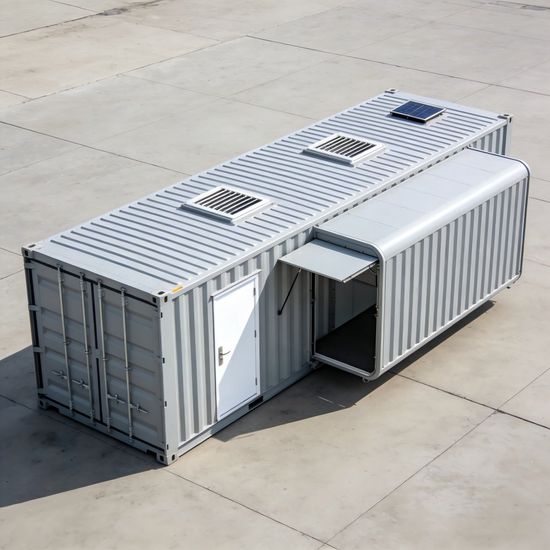
When sourcing a Box House, you must prioritize structural integrity and material durability. Ensure the main frame uses galvanized steel with a thickness of at least 2.5mm to 3.0mm to prevent rust and ensure load-bearing safety. For wall panels, Rock Wool or PU (Polyurethane) sandwich panels are recommended for their superior fire resistance (Class A) and thermal insulation properties. Additionally, verify that the floor system uses fiber cement boards or MGO boards with a minimum thickness of 18mm to support heavy furniture and foot traffic.
Compliance is critical for cross-border procurement. You should require suppliers to provide ISO 9001 certification for manufacturing quality and CE or UL certification for electrical components (wiring, sockets, and circuit breakers). For specific markets like the US or EU, ensure the structure meets local wind load (e.g., 120km/h) and snow load requirements. Always ask for Material Safety Data Sheets (MSDS) for the insulation materials to ensure they are non-toxic and eco-friendly.
Box Houses are highly versatile. Common scenarios include temporary site offices, labor camps, disaster relief housing, and modular hotels. For functional configurations, high-end buyers should look for integrated plumbing and electrical systems (plug-and-play), built-in sanitary units, and double-glazed windows for better soundproofing. If the house is for a remote area, inquire about solar power integration and rainwater collection capabilities.
To maximize ROI, calculate the Total Cost of Ownership (TCO), which includes the unit price, shipping, foundation preparation, and assembly labor. Flat-pack designs are generally more cost-effective for shipping, as 4 to 6 units can often fit into a single 40ft HQ container. For large-scale projects, negotiating a bulk discount of 10-20% for orders exceeding 20 units is standard practice in the industry.
The biggest risks are structural damage during transit and non-compliance with local building codes. To mitigate these, use Made-in-China.com's Secured Trading services to protect your payment until the goods are inspected. It is highly recommended to hire a third-party inspection agency (like SGS or BV) to conduct a pre-shipment inspection focusing on welding quality, waterproofing tests, and dimensional accuracy.
Focus negotiations on customization flexibility and warranty terms. Request a minimum 2-5 year warranty on the steel structure. Instead of just pushing for the lowest price, negotiate for spare parts (extra bolts, sealant, touch-up paint) and detailed installation manuals or video tutorials, which can save thousands in labor costs during the assembly phase.
Since Box Houses are bulky, Incoterms like FOB or CIF are most common. Ensure the supplier uses heavy-duty packaging for flat-packs to prevent scratching of the powder-coated frames. Confirm the loading plan in advance to ensure the container space is optimized. For 'Expandable' box houses, verify that the hydraulic or hinge mechanisms are securely locked during transport to prevent mechanical failure.
Always verify the supplier's Business License and Export Qualification on Made-in-China.com. Be aware of anti-dumping duties or specific import tariffs on steel structures in your country. Use Letter of Credit (L/C) or Escrow payments for large-scale projects to ensure that funds are only released upon meeting specific milestones (e.g., production completion, loading, and arrival).