
Satisfies 1 requirement
Lane Liquid Fertilizer Prices Raw Material Compound Powder Amino Acid Fish Protein Liquid Organic Fertilizer
US$20,000.00-41,000.00
1 Piece(MOQ)

I have found results from9000+products and2000+suppliers aboutAmino acid liquid fertilizer


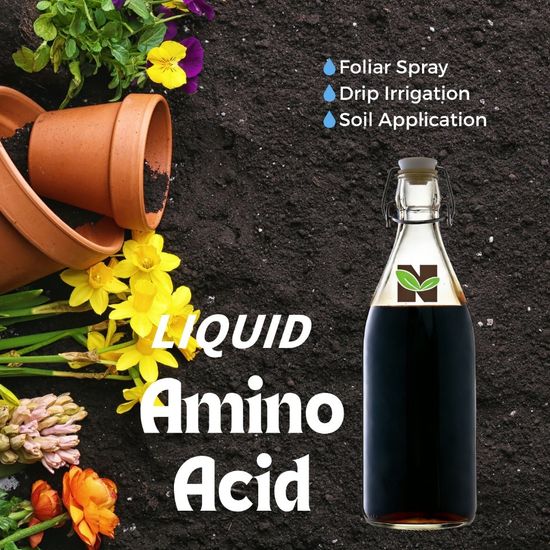


Buyers should prioritize the Free Amino Acid content, which typically ranges from 10% to 30% for high-quality concentrates. It is essential to verify the source of the amino acids (plant-based vs. animal-based), as plant-derived versions (like soy or corn) often have better bioavailability and absorption rates for crops. Additionally, check the pH value (ideally between 4.0 and 6.0) to ensure compatibility with other agrochemicals and irrigation systems, and confirm the cold water solubility is 100% to prevent clogging in drip irrigation nozzles.
Ensure the supplier provides a Certificate of Analysis (COA) for every batch, detailing heavy metal limits (such as Lead, Arsenic, and Cadmium) to meet safety standards like REACH (EU) or AAPFCO (USA). For organic farming markets, look for certifications such as OMRI, ECOCERT, or IFOAM. It is also critical to request a Stability Test Report to ensure the liquid does not undergo sedimentation or fermentation during long-term storage or high-temperature transit.
Amino acid liquid fertilizers are primarily used as biostimulants for foliar spraying, fertigation, and seed soaking. Their main functions include enhancing chlorophyll synthesis, improving stress resistance (against drought or frost), and acting as natural chelating agents for micronutrients like Iron and Zinc. In high-value horticulture (e.g., berries, grapes, and greenhouse vegetables), they are used to increase Brix levels (sugar content) and improve the shelf life of the produce.
To optimize costs, evaluate the concentration ratio; higher concentration (e.g., 500g/L) reduces shipping costs per active unit. Compare pricing based on packaging formats, such as 1L bottles for retail vs. 1000L IBC tanks for industrial use, which can reduce packaging costs by 15-25%. Furthermore, sourcing from manufacturers on Made-in-China.com who offer OEM/ODM services allows for customized NPK+Amino Acid formulations, providing a competitive edge in local markets.
Liquid fertilizers are generally classified as non-hazardous goods, but you must obtain a Material Safety Data Sheet (MSDS) and a Safe Transport of Chemical Goods Certificate. Ensure the packaging uses fluorinated bottles or reinforced IBCs to prevent leakage caused by pressure changes during sea freight. For cold climates, verify the anti-freezing properties to avoid crystallization during winter transit.
Utilize Trade Assurance services or secure payment methods like Letter of Credit (L/C) for large volumes. Conduct third-party factory audits (e.g., SGS or Intertek) to verify the supplier's production capacity and QC laboratory equipment. On Made-in-China.com, prioritize Audited Suppliers who have undergone comprehensive on-site verification to ensure they are legitimate manufacturers rather than small trading intermediaries.
Negotiations should focus on volume-based pricing tiers and raw material index linking. Since the cost of amino acids is tied to agricultural commodities (like soybean meal), consider long-term supply contracts to hedge against price volatility. Ask for free samples (shipping excluded) to conduct small-scale field trials before committing to a full container load (FCL), and negotiate payment terms such as 30% deposit and 70% against the Bill of Lading (B/L).
Many countries require Product Registration with the Ministry of Agriculture before importation. Ensure the supplier can provide Legalization of Documents (Embassy stamps) and a Certificate of Free Sale. Failure to align with local labeling laws (language, ingredient disclosure, and warning icons) can lead to customs seizures, so always finalize the label artwork before mass production.