

Amino acid fertilizer
I have found results from20000+products and6000+suppliers aboutAmino acid fertilizer
Commonly Used:
US$
—
Customization Available
Sample Available
Manufacturer First
Product Attributes:
Type: Green Manure
Commercial Organic Fertilizer
Type: Miscellaneous Fertilizer
Condition: Used
Application: Vegetables
Validity: Quick Acting
Physics State: Liquid
Infection On Soil: Physiological Neutral
Chemical Character: Chemical Neutral
State: Powder
Certification: ISO9001
Raw Material: Manure
Condition: New
Application: Flowers
Application: Fruit
Validity: Slow-acting
Validity: Long-term
Physics State: Solid
Infection On Soil: Physiological Acid
Infection On Soil: Physiological Alkaline
Chemical Character: Chemical Acid
Chemical Character: Chemical Alkaline
State: Granular
Certification: GMP
Certification: ISO
Certification: CE
Certification: TUV
Raw Material: Industrial Waste
Raw Material: Agricultural Waste

Satisfies 1 requirement
Top Quality&Severice High Purity Amino Acid Fertilizer Suppliers
US$2.50-3.50
500 kg(MOQ)

Satisfies 1 requirement
45% Amino Acid Foliar Spraying Base Fertilizer Flush-Release Manufacturer
US$560.00-646.00
1 Ton(MOQ)

Satisfies 1 requirement
Humic Acid Fertilizer/Amino Acid/Organic/NPK Fertilizer Export Wholesale Factory Price
US$200.00-400.00
20 Tons(MOQ)

Satisfies 1 requirement
Organic Raw Materials Plant Animal Source Amino Acid Powder Fertilizer
US$0.78-0.80
1,000 kg(MOQ)

Satisfies 1 requirement
Haidel 40%-80% Organic Amino Acid Powder Fertilizer with Omri
US$0.60-1.00
1 kg(MOQ)

Satisfies 1 requirement
Agriculture Organic Liquid Fish Protein Amino Acid Fertilizer with Omri
US$0.85-2.50
1 L(MOQ)

Satisfies 1 requirement
Amino Acid Powder with Organic Iron for Industrial Formulation Natural Origin Biostimulant Fertilizer MOQ 100kg Organic Fertilizer
US$3,300.00-3,800.00
1 Ton(MOQ)

Satisfies 1 requirement
Amino Acid Based Plant Biostimulant Fertilizer Bulk Powder Promotes Root Growth & Disease Resistance ISO 9001 Certified
US$2,700.00-3,500.00
1 Ton(MOQ)

Satisfies 1 requirement
Organic Fertilizer NPK with Humic Acid and Amino Acid
US$180.00-300.00
25 Tons(MOQ)

Satisfies 1 requirement
China Organic Fertilizer NPK with Humic Acid and Amino Acid NPK Fertilizer
US$100.00-300.00
25 Tons(MOQ)
Satisfies 1 requirement
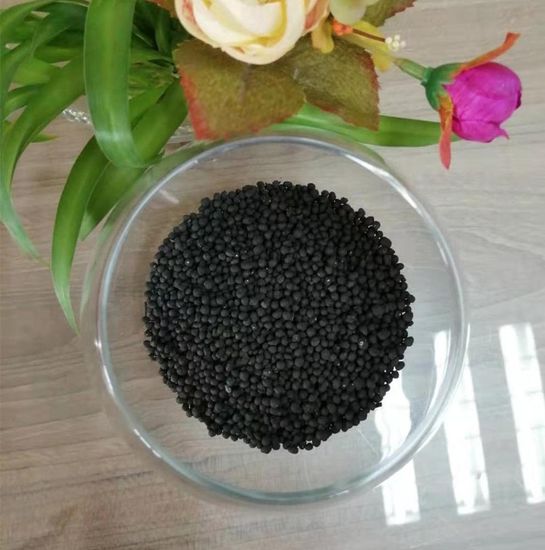
1203 Amino Acid Humic Acids Organic Fertilizer Water Solubility NPK Fertilizer
US$220.00-300.00
27 Tons(MOQ)


Satisfies 1 requirement
Total 80% Amino Acid Content Organic Fertilizer, Pale Yellow Powder
US$1.00
1 Piece(MOQ)

Satisfies 1 requirement
Amino Acid Organic Fertilizer to Improve Plant Yield
US$128.00-146.00
25 Tons(MOQ)

Satisfies 1 requirement
Humic Acid+Amino Acid Organic Prilled/Granular NPK Fertilizer for Agricultural
US$180.00-280.00
25 Tons(MOQ)

Satisfies 1 requirement
Micro Element Foliar Fertilizer Powder Amino Acid Chelates Fertilizer
US$600.00-1,200.00
1 Ton(MOQ)

Satisfies 1 requirement
Organic Fertilizer Compound Amino Acid 80% From Soyban Enzymatical Processed Biostimulant Foliar Fertilizer to Improve Quality and Yield of Fruit and Vegetable
Negotiable
1 Ton(MOQ)

Satisfies 1 requirement
CHICO-AMICA TE Mixed Amino Acid Chelated Trace Elements Cu Fe Zn Mn B Mg Organic Water Soluble Fertilizer
US$1.00-10.00
1,000 kg(MOQ)

Satisfies 1 requirement
Premium Amino Acid Chelated Fertilizer for Optimal Plant Growth
US$900.00-1,500.00
5 Tons(MOQ)

Satisfies 1 requirement
Hibong Quick Release Organic Amino Acid Liquid Fertilizer 100% Purity for Agriculture
US$0.80-2.00
2,000 Litre(MOQ)

Satisfies 1 requirement
Amino Acid Chelated Iron Fertilizer an Alternative to EDDHA Fe
US$900.00-1,500.00
5 Tons(MOQ)

Satisfies 1 requirement
Water Soluble Fertilizer Plant Source Amino Acid 80% Powder Compound Organic Fertilizer
US$2,000.00-2,100.00
15 Tons(MOQ)

Satisfies 1 requirement
China NPK 12-0-3 Amino Acid Humic Acid Granular Organic Fertilizer
US$149.00-169.00
28 Tons(MOQ)

Satisfies 1 requirement
Omri Listed Enzymatic Hydrolysis Amino Acid Liquid 50% Amino Acid Fertilizer
US$1,250.00-1,350.00
1 Ton(MOQ)

Satisfies 1 requirement
Enzymatic Protein Amino Acid Organic Fertilizer 16-0-0 Omri Listed Organic Farm Use
US$2,300.00-2,500.00
1 Ton(MOQ)


Satisfies 1 requirement
Concentrated 80% Amino Acid Organic Plants Fertilizer Biostimulant for Crop Growth Yield
US$2,400.00-2,600.00
1 Ton(MOQ)

Satisfies 1 requirement
Bio Amino Acid Organic Fertilizer for Plant Growth and Improved Corp Yield
US$650.00-700.00
5 Tons(MOQ)

Satisfies 1 requirement
Amino Acid Organic Fertilizer with Nitrogen for Crop Flowers Growth Nutrient
US$1,450.00-1,550.00
5 Tons(MOQ)
Sourcing guidance for Amino Acid Fertilizer
What are the key technical specifications to consider when sourcing Amino Acid Fertilizer?
Buyers should prioritize the Free Amino Acid content, which typically ranges from 30% to 80% depending on whether it is in liquid or powder form. It is crucial to verify the source of raw materials (animal-derived vs. plant-derived), as plant-derived amino acids (like soybean) are generally better for enzymatic activity and crop absorption. Additionally, check the water solubility (100% solubility is preferred for fertigation) and the pH value (typically 4.0-6.0) to ensure compatibility with other agrochemicals.
Which international compliance standards and certifications are necessary for this product?
For global trade, ensure the supplier provides a Certificate of Analysis (COA) for every batch. If you are targeting the organic market, look for OMRI (Organic Materials Review Institute) or ECOCERT certifications. Furthermore, products must comply with the heavy metal limits (such as Lead, Arsenic, and Cadmium) set by the destination country's Ministry of Agriculture to avoid customs rejection.
How can I evaluate the functional performance of the fertilizer before a bulk purchase?
Request a small sample (1-5kg) to conduct a solubility and stability test. A high-quality amino acid powder should dissolve completely without leaving residue that could clog irrigation nozzles. You should also ask for third-party lab reports (e.g., SGS or Intertek) to verify the Nitrogen (N) content and the specific amino acid profile (such as Glutamic acid or Glycine levels) which dictate the biostimulant effect.
What are the typical usage scenarios and application methods for B2B buyers?
Amino acid fertilizers are versatile and used in foliar spraying, drip irrigation, and seed treatment. They are particularly effective as anti-stress agents during extreme weather (drought or frost). For commercial greenhouses and large-scale plantations, chelated amino acids (with Fe, Zn, Cu, Mn) are preferred to correct micronutrient deficiencies while promoting growth.
Cross-Border Procurement Risks and Strategies for Amino Acid Fertilizers
What are the common risks in cross-border purchasing of chemical/organic fertilizers?
The primary risk is moisture absorption and caking during sea transit, especially for powder products. Ensure the supplier uses moisture-proof, multi-layer PE/PP bags or vacuum packaging. Another risk is regulatory non-compliance; some countries require specific import permits for organic fertilizers due to biosecurity concerns regarding animal-derived proteins.
How should I negotiate with suppliers on Made-in-China.com for better terms?
Focus on tiered pricing based on volume; for instance, a 20ft container (FCL) should yield a 15-20% discount compared to LCL orders. Negotiate for OEM/Private Labeling services, which many top-tier suppliers on Made-in-China.com offer for free if the order exceeds 10-20 tons. Always request Trade Assurance to protect your payment until the goods are shipped.
What are the logistics and shipping precautions for liquid vs. powder fertilizers?
Liquid fertilizers require IBC tanks or flexitanks to prevent leakage and reduce shipping costs per ton. For powders, ensure palletization and shrink-wrapping to facilitate easy unloading at your warehouse. Be aware that while amino acid fertilizers are generally non-hazardous, you must provide a Non-Hazardous Chemical Declaration to the shipping line to avoid delays.
How can I ensure transaction security and quality consistency?
Utilize third-party pre-shipment inspections to verify that the weight and nutrient content match the proforma invoice. For new suppliers, use a Letter of Credit (L/C) or Escrow services provided by reputable platforms. Regularly audit the supplier's ISO 9001 certification to ensure their production process remains stable over long-term contracts.