
Satisfies 1 requirement
Suction Connecting Tube with Yankaeur Handle. 8mm -3.0m
US$0.30-0.33
3,000 Pieces(MOQ)

I have found results from40000+products and10000+suppliers about8mm pvc tube


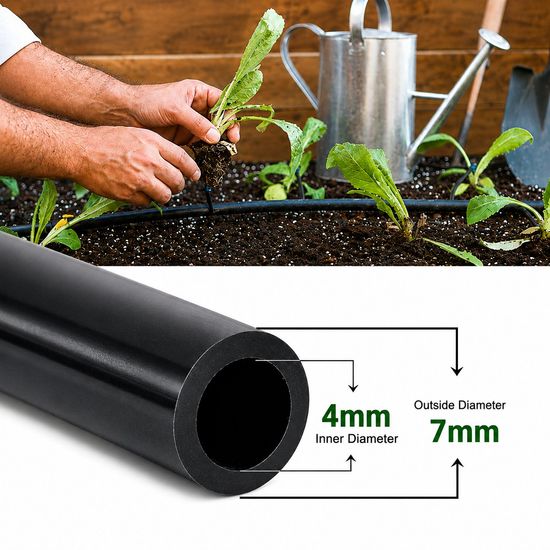


When selecting an 8mm PVC tube, you must define the Inner Diameter (ID) and Outer Diameter (OD) precisely, as a 1mm variance can lead to leakage in pressurized systems. Ensure the Wall Thickness is consistent to handle the required Working Pressure (PSI/Bar). For industrial use, prioritize tubes made from Virgin PVC resin rather than recycled materials to ensure better tensile strength and transparency.
Compliance depends entirely on the end-use. For food or beverage dispensing, the tubing must be FDA compliant or NSF/ANSI 51/61 certified. If the product is destined for the European market, ensure it meets REACH and RoHS standards to guarantee the absence of harmful phthalates or heavy metals. For medical applications, look for ISO 10993 biocompatibility certifications.
Standard PVC is thermoplastic and will soften under heat. You should verify the Operating Temperature Range, typically between -5°C to +60°C. If your application involves higher temperatures, you must request High-Temperature Resistant PVC or consider reinforced braided hoses. Conversely, for cold storage use, ensure the tube has Cold-Flex properties to prevent cracking at sub-zero temperatures.
Non-reinforced (clear) tubes are ideal for low-pressure fluid transfer and visual monitoring. However, for high-pressure air or liquid lines, you should source Fiber-Reinforced (Braided) PVC tubes. The polyester yarn reinforcement significantly increases burst pressure and prevents the tube from kinking or collapsing under vacuum or high-flow conditions.
Always request a Pre-Shipment Inspection (PSI). Specifically, ask the inspector to perform a Shore A Hardness test to ensure the flexibility matches your requirements and a Dimensional Tolerance check. Using Made-in-China.com's Secured Trading services can provide an extra layer of protection, ensuring payment is only released upon proof of quality compliance.
Focus on the Weight per Meter rather than just the price per roll, as some suppliers reduce wall thickness to lower costs. Negotiate based on Volume Tiers; for 8mm tubing, price breaks usually occur at 3,000 meters, 10,000 meters, and full container loads (FCL). Ask for OEM branding (inkjet printing on the tube) to be included in the unit price for orders exceeding the MOQ.
PVC tubes are relatively lightweight but bulky. To optimize freight costs, request the supplier to use nested packaging (placing smaller diameter tubes inside larger ones) if you are ordering multiple sizes. Ensure the coils are wrapped in UV-protective stretch film and packed in reinforced cartons or pallets to prevent deformation during long-transit sea freight.
Verify the HS Code (typically 3917.23) to check for any Anti-Dumping Duties (ADD) or specific tariffs applicable in your country for Chinese plastic exports. Ensure the Certificate of Origin (CO) is provided to potentially benefit from Free Trade Agreements (FTAs) that may reduce import duties.